Il Lavoro nei Paesi in via di Sviluppo
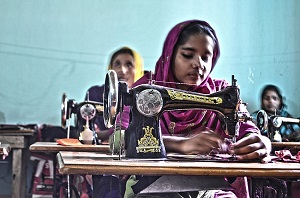
Nei paesi in via di sviluppo la questione delle condizioni di lavoro è una delle più pressanti e drammatiche. Ovunque ci sia povertà ci sono anche aziende senza scrupoli che approfittano dello stato di estrema indigenza della popolazione per imporre condizioni lavorative semplicemente inumane, spesso con l'appoggio più o meno esplicito degli organismi statali e di autorità corrotte.
Problemi dei Lavoratori nei Paesi in via di Sviluppo
Nella categoria di “paesi in via di sviluppo” vengono fatti rientrare paesi che si trovano a diversi capi del globo, ciascuno con la sua storia e i suoi problemi specifici. Tuttavia, spesso i problemi vissuti dai lavoratori sono simili:
- Mancanze di tutele per quanto riguarda salute e sicurezza: spesso le aziende che producono nei paesi poveri possono avvantaggiarsi di una sostanziale mancanza di regole e/o di controlli per quanto riguarda la sicurezza dei lavoratori e la tutela della loro salute. Non viene ad esempio assicurata una protezione sufficiente dalle sostanze tossiche o chimiche con cui vengono a contatto, il luogo di lavoro è insicuro, oppure la mole di lavoro è tale che usura chi lo compie, fino al punto di procurargli delle invalidità permanenti. Nella maggior parte dei paesi in via di sviluppo, le donne sono costrette a lavorare durante tutta la gravidanza e subito dopo il parto, con ripercussioni gravi su di loro e sui loro figli.
- Lavoro minorile: secondo i dati dell'Unicef, nel mondo sono 150 milioni i bambini che lavorano. Di questi, 74 milioni sono impiegati in lavori pericolosi, ad esempio nelle miniere, o in luoghi che li mettono in contatto con sostanze pericolose o macchinari pesanti.
- Salari insufficienti: dove la manodopera è tanta, le aziende possono permettersi di mantenere i salari sul ciglio del minimo di sopravvivenza, o persino sotto. È il fenomeno che in inglese viene chiamato dei “working poor”, cioè lavoratori al di sotto della soglia di povertà. La maggior parte dei lavoratori poveri del mondo sono donne.
- Mancanza di tutele nella vecchiaia: l'International Labour Organization ha calcolato che il 90% dei lavoratori del mondo non ha accesso a un sistema pensionistico capace di garantire loro la sopravvivenza durante la vecchiaia.
- Furto delle risorse: circa il 63% della forza lavoro del mondo è impiegata nell'agricoltura, e questo soprattutto nei paesi poveri, in cui spesso si pratica una piccola agricoltura quasi solo di sussistenza. Il land grabbing è l'appropriazione dei terreni agricoli da parte di grandi aziende ai danni dei contadini e degli allevatori di bestiame locali, che spesso vengono fatti sgomberare con la forza e ridotti in condizioni di povertà assoluta.
Come si combatte lo sfruttamento del lavoro nei paesi in via di sviluppo
In ogni paese in cui ci sia sfruttamento del lavoro, ci sono anche delle organizzazioni che lo combattono, e che spesso devono anche combattere contro la repressione di stati non democratici. È il caso ad esempio del MST - Movimento dos Trabalhadores Rurais Sem Terra, movimento brasiliano che combatte per ottenere migliori condizioni di lavoro per i contadini del Brasile, o, in Bangladesh, del sindacato dei lavoratori tessili Bangladesh Independent Garment Workers Union Federation (BIGUF). Molte sono anche le organizzazioni che combattono il lavoro minorile, a volte su base locale, a volte invece internazionale come l'ONG Save the Children.
E noi che ci troviamo nei paesi sviluppati, cosa possiamo fare? Visto che molte delle merci che abitualmente acquistiamo e consumiamo sono prodotte in paesi in via di sviluppo (dai fiori ai computer, passando per abiti, scarpe, giocattoli, ecc) possiamo ad esempio iniziare a consumare in modo consapevole. Già nel secondo dopoguerra sono nate nei paesi ricchi diverse ONG che proponevano un consumo “corretto”, in cui la produzione fosse svolta rispettando i diritti dei lavoratori dei paesi in via di sviluppo. Oggi il commercio equo e solidale è una realtà affermata, con punti vendita e prodotti in ogni città d'Italia.
Sono moltissime anche le organizzazioni che promuovono campagne per il boicottaggio di prodotti non rispettosi dei diritti dei lavoratori e/o dell'ambiente, di cui si può trovare un elenco sul sito Ethical Consumer. Negli ultimi anni, grazie anche a internet che rende le informazioni sempre più facilmente accessibili ai consumatori, un numero crescente di aziende si è dimostrato attento nel recepire le richieste dei consumatori dei paesi che costituiscono il loro maggiore bacino di mercato, specialmente quando queste avvengono in concerto con le proteste organizzate dei lavoratori locali.